Part 19: Returning Home
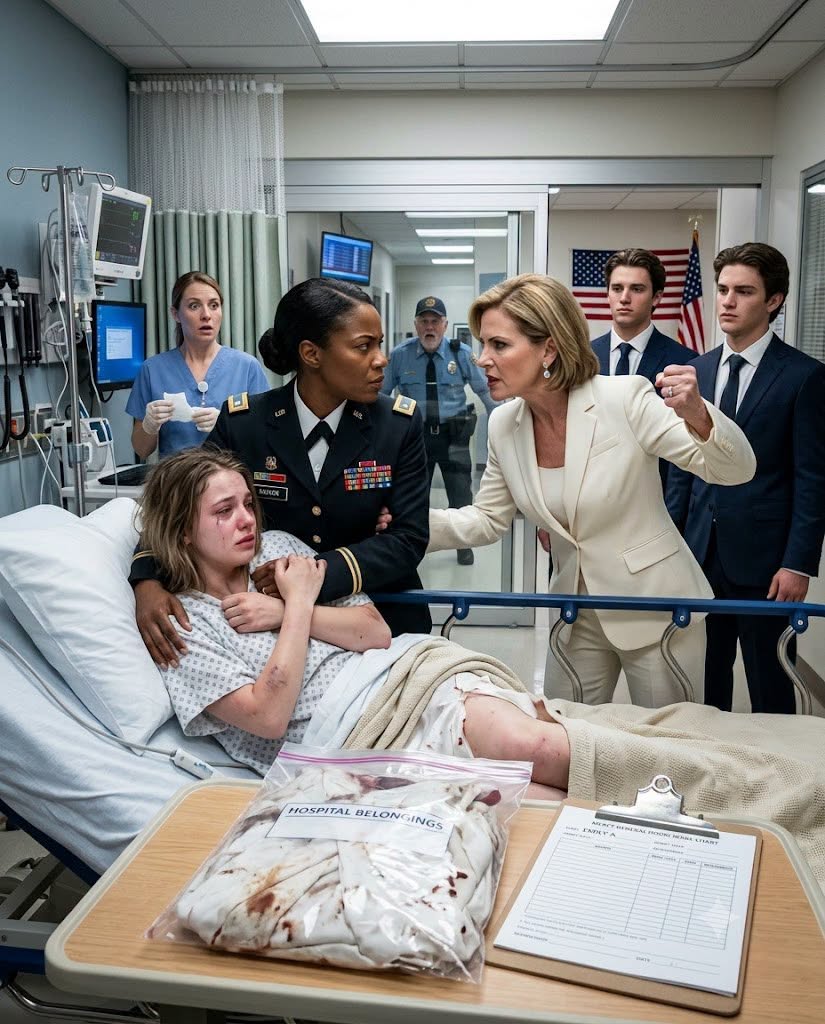
Returning to our life was not like flipping a switch. You do not survive a war—whether fought on a battlefield or in the high-stakes corridors of power—and emerge the same person you were before the first shot was fired. The house, when we finally turned the key in the lock, felt like a museum of a life that belonged to someone else. The furniture was the same, the books were on the shelves, and the light hit the floorboards at the same angle, yet every room held the echo of a version of us that no longer existed.
We had reclaimed our physical space, but the mental landscape was different. I found myself checking the locks at irregular intervals, a habit born of months spent living in the shadows. Emily, too, carried the weight of the experience, though she wore it differently. She was no longer the girl who shrank from the glare of a difficult situation; she had been forged into something harder, more resilient. She had reclaimed her agency, and in doing so, she had found her purpose.
A few weeks after the sentencing, I found her in the study. She had turned the room into a base of operations, not for survival this time, but for advocacy. She was drafting proposals for a foundation aimed at supporting victims of systemic harassment and powerful-family intimidation—a legal and emotional resource center for those who were told, just as she had been, that they were alone and against an untouchable force.
"You’re really doing it," I said, leaning against the doorframe. I watched her, noticing the way she carried herself—the steady gaze, the way she didn't look for validation before she spoke.
"I have to, Mom," she replied, not looking up from her screen. "There are so many others out there who don't have a mother like you. People who don't have the training to track a threat or the clearance to expose a conspiracy. If I can be a shield for them, then everything we went through… it wasn't just survival. It was a catalyst."
I felt a lump in my throat, a rare, sharp emotion that defied my military training. My daughter, who I had spent my life trying to protect from the darkness, had decided to walk into that darkness to lead others out. It was a terrifying, beautiful thing to witness.
The transition to civilian life—true civilian life, stripped of the rank and the mission—was a process of shedding. I spent my days in the garden, a place of quiet, linear logic where things grew according to the laws of nature, not the whims of men in high office. I started a small consulting firm that focused on cybersecurity and organizational integrity, helping companies audit their own ethical foundations. I didn't want the limelight, and I certainly didn't want to be a public figure. I wanted to build things that lasted, things that weren't built on the shifting sands of political favor.
May you like

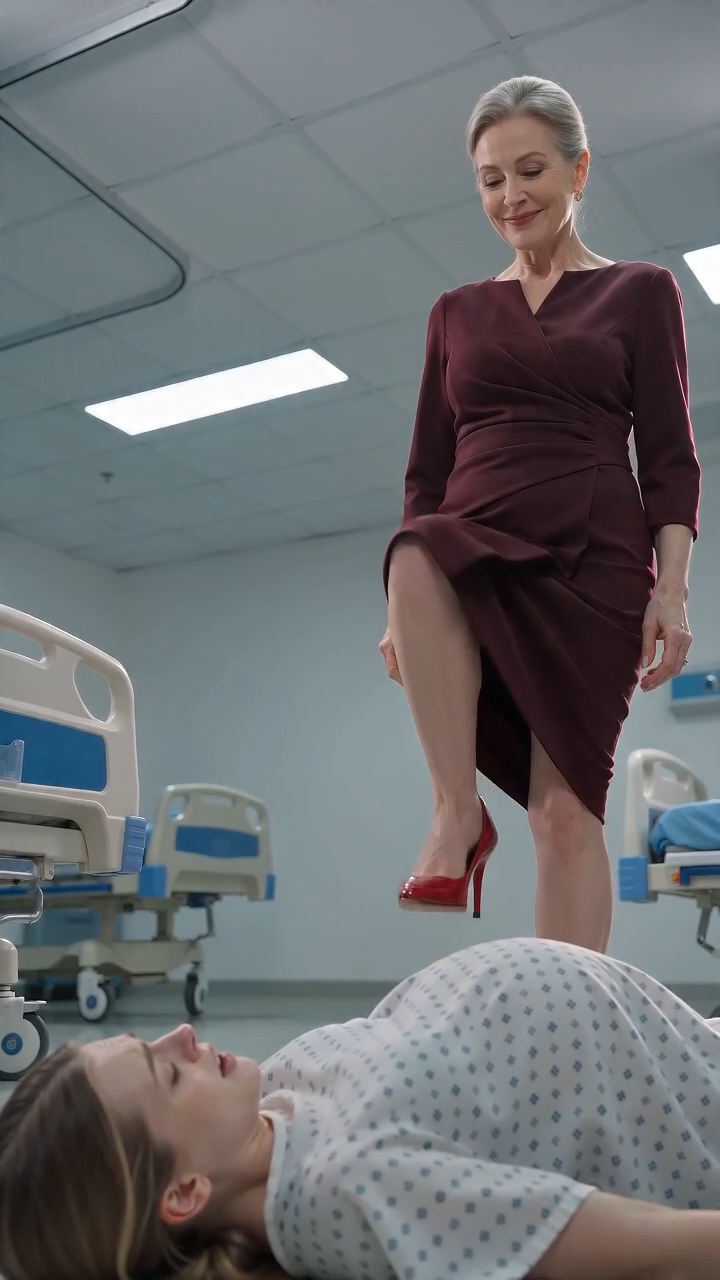
The silence of our home was no longer heavy. It was earned. We spoke about the trial less and less. We spoke about the future more. We became a part of our neighborhood again, but we were different. We were the people who knew what lay beneath the polite veneer of society. We were the ones who had seen the machinery of power exposed, and we were the ones who had successfully jammed the gears.
One evening, as the sun began to dip below the horizon, casting a warm, honeyed glow across the porch, I poured two glasses of tea and sat down. Emily joined me, and we just sat there, listening to the crickets and the rustle of the leaves. There were no black sedans in the distance. There were no hidden threats. For the first time in my life, I didn't feel the need to scan the horizon. I was a mother, finally allowed to just be a mother. The uniform was in the closet, the medals were in a box, and the war was officially, finally, a memory. I looked at my daughter, and I realized that we had done the impossible. We had faced the end of the world, and we had decided to keep living.